


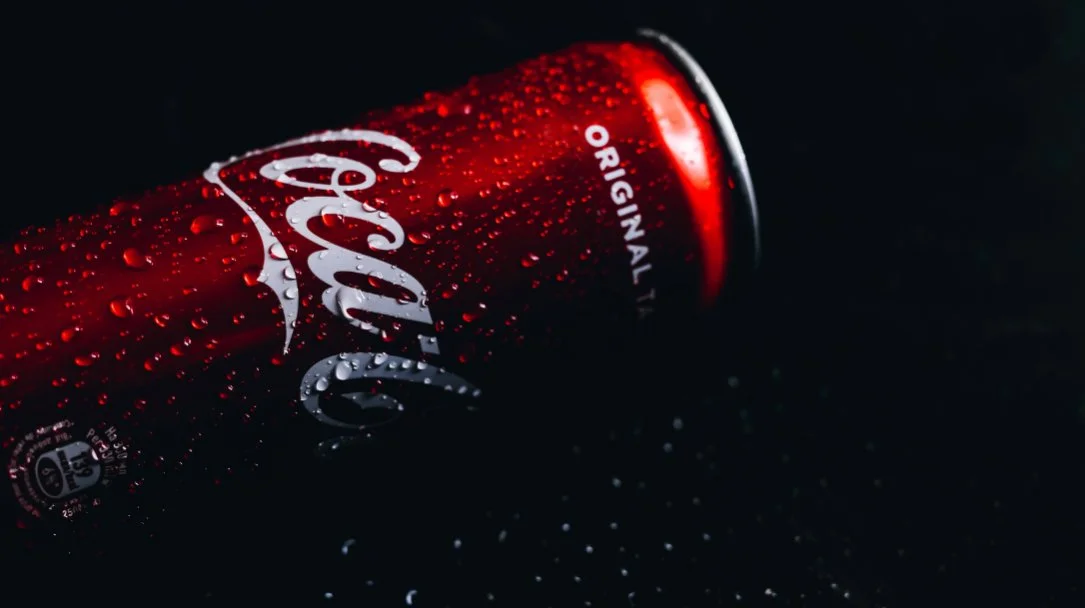
Coca-Cola sells to two kinds of customers. Its direct customers are businesses: bottlers, restaurants, and retailers that buy its concentrate and drinks. Its end consumers are almost everyone over 13, with special focus on young adults and Gen Z, families buying for the home, and people cutting sugar through Coke Zero Sugar.
Coca-Cola drinks are served about 2.2 billion times a day in more than 200 countries and territories. The Coca-Cola target market is so broad that the company targets by brand, price, and occasion rather than by one customer profile. Below, each group is broken down with Coca-Cola’s own 2025 and 2026 data.
Key Takeaways
- Coca-Cola made $47.9 billion in net revenues in 2025 and owns 32 brands that each sell more than $1 billion a year.
- Coca-Cola mostly sells concentrate to more than 200 bottling partners, so its biggest direct customers are bottlers, not shoppers.
- Coke Zero Sugar is its fastest-growing major brand, up 14% in 2025 and 16% in the second quarter of 2026.
- Gen Z is the most open to Coca-Cola: 51% of Gen Z would consider buying it, compared with 35% of all Americans, according to YouGov.
- Coca-Cola’s own policy bans marketing directly to children under 13.
How Big Is Coca-Cola in 2026?
| Coca-Cola Fact | Number |
|---|---|
| Net revenues (2025) | $47.9 billion, up 2% (organic growth 5%) |
| Servings per day | About 2.2 billion |
| Markets | More than 200 countries and territories |
| Billion-dollar brands | 32 |
| Bottling partners | More than 200 |
| US soda market share (2025) | 18.5% for the Coca-Cola brand, #1 in the US |
| CEO | Henrique Braun (since March 2026) |
Sources: Coca-Cola 2025 results, Coca-Cola’s 2025 annual report (10-K), and Beverage Digest 2025 data.
Coca-Cola’s purpose is “Refresh the World. Make a Difference.” Growth continued into 2026: organic revenue rose 10% in the first quarter and 6% in the second.
Who Are Coca-Cola’s Biggest Customers?
Coca-Cola’s biggest customers are its bottling partners. Coca-Cola makes the concentrate and syrups. Bottlers then make, package, and deliver the finished drinks to stores, restaurants, and vending machines.
| Customer Type | Who They Are | What They Buy |
|---|---|---|
| Bottlers | Coca-Cola FEMSA, Coca-Cola Europacific Partners, Coca-Cola HBC, Arca Continental, Swire Coca-Cola | Concentrate and syrups |
| Restaurants and fountain buyers | Fast-food chains, cinemas, stadiums | Fountain syrups |
| Retailers | Supermarkets, convenience stores, online stores | Finished drinks from bottlers |
| Consumers | People who drink Coca-Cola products | Bottles, cans, and fountain drinks |
The five largest bottlers handle 44% of Coca-Cola’s worldwide volume, and one bottler alone made up 10% of Coca-Cola’s 2025 revenue, according to its annual report. This is a B2B model: Coca-Cola markets to consumers, but it sells mainly to businesses.
Who Is Coca-Cola’s Target Consumer?
Coca-Cola’s main consumer groups are:
- Young adults and Gen Z: CEO Henrique Braun said in February 2026 that the company wants to “step-change recruitment, especially with the young adult consumers.” YouGov’s 2025 rankings found 51% of Gen Z would consider buying Coca-Cola.
- Families and households: multi-packs and large bottles target home meals, parties, and shared moments.
- Sugar-conscious adults: Coke Zero Sugar and Diet Coke serve people who want the taste with no sugar.
- On-the-go buyers: workers and students buying single cans and bottles at convenience stores and restaurants.
What age does Coca-Cola target? Coca-Cola targets people 13 and older. Its marketing focuses on teens and young adults, but Coca-Cola does not publish customer age data, so exact ranges like “12 to 45” found online have no official source. Read more in our demographic segmentation guide.
Who Does Coca-Cola Not Target?
Coca-Cola’s Responsible Marketing Policy says it does not market directly to children under 13. That includes any media where 30% or more of the audience is under 13. The company also does not advertise in primary schools.
How Does Coca-Cola Target Different Customers by Brand?
Coca-Cola targets each customer group with a different brand. This is the clearest way to understand its target market:
| Category | Key Brands | Target Customer |
|---|---|---|
| Classic cola | Coca-Cola | Mass market, young adults, families, meals |
| Zero sugar | Coke Zero Sugar, Diet Coke | Adults cutting sugar who want cola taste |
| Other sodas | Sprite, Fanta | Buyers who want lemon-lime or fruit flavors |
| Hydration and sports | Dasani, smartwater, Powerade, BodyArmor | Active people and athletes |
| Dairy | fairlife | Protein-focused, health-minded shoppers |
| Juice | Minute Maid, Simply | Families and breakfast buyers |
| Coffee and tea | Costa Coffee, Gold Peak | Coffee drinkers and tea drinkers |
Why is Coke Zero Sugar so important? It is Coca-Cola’s biggest growth story. Coke Zero Sugar sales grew 14% in 2025, 13% in the first quarter of 2026, and 16% in the second quarter. CFO John Murphy called it “by far and away our best innovation” of the last 25 years. Dairy brand fairlife is also growing fast, up 18% in the second quarter of 2026.
Where Are Coca-Cola’s Customers?
Coca-Cola sells in more than 200 countries and territories, and local bottlers adapt products, sizes, and prices to each market. In the US, the Coca-Cola brand held 18.5% of carbonated soft drink sales in 2025, the top spot, and led retail volume share in 36 of 41 major metro areas, according to Beverage Digest.
Price is a big part of geographic targeting. Coca-Cola sells small, low-price packs where incomes are lower and premium packs where shoppers will pay more. Braun described the goal on the second-quarter 2026 call as “addressing not only affordability, but premiumization.” Learn more in our geographic segmentation guide.
What Do Coca-Cola Customers Value?
Coca-Cola customers value four things:
- Taste and consistency: the same familiar flavor everywhere.
- Connection and good moments: Coca-Cola ties its brand to meals, sports, and time with friends.
- Less sugar: more buyers want cola taste without sugar, which drives Coke Zero Sugar.
- Affordability: lower-income buyers are under pressure. Braun said in July 2026 that “the lower income continues to be pressured.”
Coca-Cola’s marketing follows these values. In March 2025, it relaunched Share a Coke with names on bottles in more than 120 countries, aimed at Gen Z “as Gen Z seeks authentic connection.” In 2026, Coca-Cola was the official soft drink of the FIFA World Cup, which Braun said helped lift Coca-Cola brand volume 5% in the second quarter. Read more in our psychographic segmentation guide.
How Do Coca-Cola Customers Buy?
- At home: multi-packs and large bottles from supermarkets and online stores.
- On the go: single cans and bottles from convenience stores and vending machines. Mini cans in North American convenience stores grew volume at a high single-digit rate in early 2026.
- With meals: fountain drinks at fast-food restaurants, cinemas, and stadiums.
- During events: big moments like the World Cup drive extra purchases.
See how brands group buyers by habits in our behavioral segmentation guide.
What Is Coca-Cola’s STP and Brand Positioning?
| STP Step | What Coca-Cola Does |
|---|---|
| Segmentation | Splits customers by age, sugar preference, occasion (home, on the go, meals), income, and region |
| Targeting | Mass market for the Coca-Cola brand, with separate brands for specific groups |
| Positioning | Coca-Cola as the classic drink for shared moments; Coke Zero Sugar as real Coke taste with zero sugar |
Coca-Cola uses differentiated targeting: one company, many brands, each aimed at a different customer. Our STP guide and market positioning guide explain how this works.
What Do Coca-Cola’s Customer Personas Look Like?
These personas are built from the data above.
| Persona | Who They Are | What They Buy | Why They Choose Coca-Cola |
|---|---|---|---|
| Gen Z social drinker | Teen or young adult | Coca-Cola, Share a Coke bottles, Sprite | Familiar brand, fun campaigns, shareable moments |
| Sugar-conscious adult | Adult cutting sugar | Coke Zero Sugar, Diet Coke | Cola taste without sugar |
| Family shopper | Parent buying for the home | Multi-packs, 2-liter bottles, Minute Maid | Value for meals and parties |
| Active buyer | Gym-goer or athlete | Powerade, BodyArmor, smartwater, fairlife | Hydration and protein |
| Restaurant operator | Business owner | Fountain syrups | Customer demand and brand recognition |
How Does Coca-Cola’s Target Market Compare With Pepsi?
| Coca-Cola | PepsiCo | |
|---|---|---|
| Revenue (2025) | $47.9 billion | $93.9 billion |
| Business mix | Drinks only | About 42% drinks, 58% snacks and food |
| US soda rank (2025) | Coca-Cola #1 (18.5% share) | Pepsi #3, behind Dr Pepper |
| Business customers | Bottlers worldwide | Retailers; Walmart is about 14% of PepsiCo revenue |
| Core consumer | Mass market, young adults, sugar-conscious buyers | Snack and soda buyers, often buying both together |
PepsiCo is bigger overall because of snacks like Lay’s and Doritos, but Coca-Cola leads in soft drinks. For more on Pepsi, see our PepsiCo SWOT analysis and PESTLE analysis of PepsiCo.
Bottom Line
Coca-Cola’s target market is everyone over 13, but it wins by splitting that market into brands, pack sizes, and prices. For me, the most useful lesson is Coke Zero Sugar: instead of losing sugar-conscious buyers, Coca-Cola created a brand for them, and it is now the company’s biggest growth driver. The pressure point is lower-income shoppers, which is why small packs and affordable prices matter as much as big campaigns. For a full view of Coca-Cola’s strengths and risks, read our Coca-Cola SWOT analysis and PESTLE analysis of Coca-Cola.
Frequently Asked Questions
The Coca-Cola Company is a public company traded on the New York Stock Exchange and owned by its shareholders. It is based in Atlanta, Georgia, and led by CEO Henrique Braun, who took over from James Quincey in March 2026.
No. Coca-Cola’s Responsible Marketing Policy says it does not market directly to children under 13, including in media where 30% or more of the audience is under 13. It also does not advertise in primary schools.
Both have zero sugar, but they target different tastes. Coke Zero Sugar is made to taste like classic Coca-Cola, while Diet Coke has its own distinct taste. Coke Zero Sugar is growing faster, up 14% in 2025, and draws buyers who want classic cola flavor without sugar.
Coca-Cola owns more than 200 brands, including Sprite, Fanta, Dasani, Powerade, BodyArmor, Minute Maid, fairlife, and Costa Coffee. Thirty-two of them each sell more than $1 billion a year, according to the company.
Yes, in soft drinks. Coca-Cola was the top US soda brand in 2025 with 18.5% market share, while Pepsi ranked third behind Dr Pepper, according to Beverage Digest. PepsiCo is the bigger company overall because it also sells snacks like Lay’s and Doritos.

