


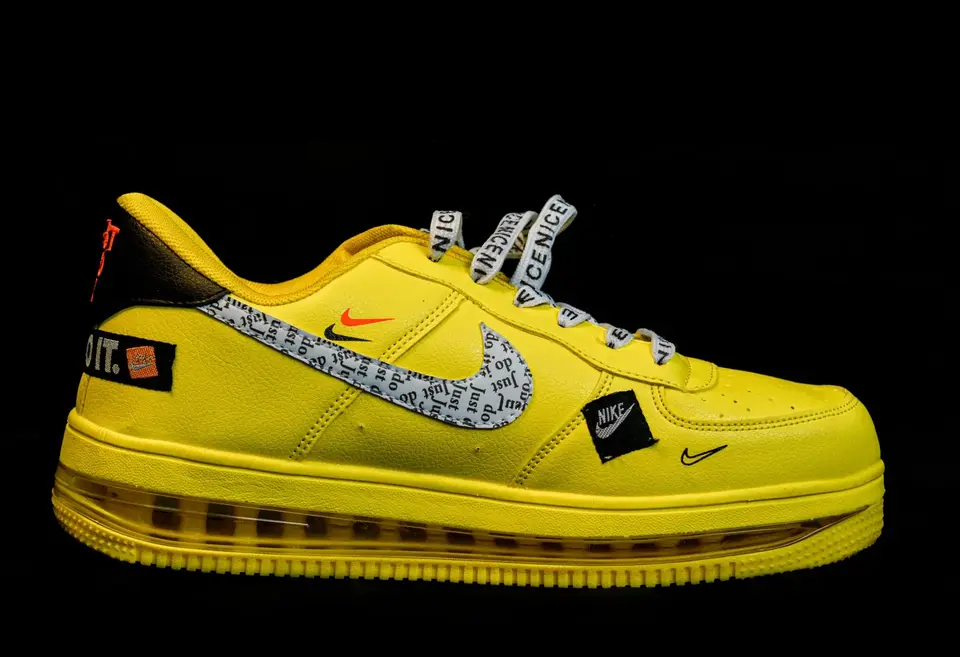
Nike competitors are companies that sell athletic footwear, apparel, and equipment to the same customers as Nike. Nike’s biggest competitor is Adidas, followed by Anta Sports, Lululemon, and New Balance, while fast-growing running brands On and HOKA are its most talked-about new rivals in 2026.
Nike is still the largest sportswear company in the world, with $46.4 billion in revenue in fiscal 2026. But its sales were flat that year, while several rivals grew by double digits. This guide ranks 12 Nike competitors by revenue, explains where each one competes, and shows how Nike is fighting back.
Key Takeaways
- Nike remains the world’s largest seller of athletic footwear and apparel, with $46.4 billion in revenue in fiscal 2026, roughly flat from the year before.
- Adidas is Nike’s biggest competitor, with record revenue of €24.8 billion in 2025, up 13% on a currency-neutral basis.
- New Balance ($9.2 billion, up 19%), On (CHF 3.0 billion, up 30%), and HOKA ($2.6 billion, up 16%) are the fastest-growing challengers.
- China’s Anta Sports, now Puma’s largest shareholder, is the biggest Asian rival, with RMB 80.2 billion in 2025 revenue.
- Nike’s indirect competitors include fashion and athleisure brands such as Zara, Uniqlo, Gymshark, and Alo Yoga.
What Is Nike?
Nike, Inc. is an American sportswear company founded in 1964 as Blue Ribbon Sports by Phil Knight and Bill Bowerman. It is based in Beaverton, Oregon, and is led by CEO Elliott Hill. In its fiscal 2026 annual report, Nike calls itself “the largest seller of athletic footwear and apparel in the world.”
| Nike at a Glance | Details |
|---|---|
| Founded | 1964 (as Blue Ribbon Sports) |
| Headquarters | Beaverton, Oregon |
| CEO | Elliott Hill (since October 2024) |
| Revenue | $46.4 billion (fiscal 2026, ended May 31, 2026) |
| North America revenue | $20.5 billion, up 5% |
| Brands | Nike, Jordan, Converse |
| Ticker | NKE (NYSE) |
For a deeper look at Nike itself, see our SWOT analysis of Nike, Nike PESTLE analysis, and Nike target market guides.
Who Are Nike’s Biggest Competitors?
Who is Nike’s biggest competitor? Adidas is Nike’s biggest competitor worldwide. It is the second-largest sportswear company and Nike’s main rival in soccer, lifestyle sneakers, and Europe. In the US, Nike also faces strong competition from New Balance, Lululemon, and running brands On and HOKA.
Here are the 12 biggest Nike competitors, ranked by their latest annual revenue:
| # | Competitor | Country | Latest Revenue | Growth | Known For |
|---|---|---|---|---|---|
| 1 | Adidas | Germany | €24.8B (2025) | +13%* | Soccer, Samba, lifestyle |
| 2 | Anta Sports | China | RMB 80.2B (2025) | +13% | ANTA, FILA China |
| 3 | Lululemon | Canada | $11.1B (FY2025) | +5% | Yoga and athleisure |
| 4 | New Balance | US | $9.2B (2025) | +19% | Running, “dad shoes” |
| 5 | Skechers | US | $9.0B (2024) | n/a | Comfort footwear |
| 6 | Puma | Germany | €7.3B (2025) | −8%* | Soccer, motorsport |
| 7 | Amer Sports | Finland | $6.6B (2025) | +27% | Salomon, Arc’teryx, Wilson |
| 8 | Under Armour | US | $5.0B (FY2026) | −4% | Performance training gear |
| 9 | ASICS | Japan | ¥810.9B (2025) | +20% | Running shoes |
| 10 | On | Switzerland | CHF 3.0B (2025) | +30% | Premium running shoes |
| 11 | HOKA | US (Deckers) | $2.6B (FY2026) | +16% | Cushioned running shoes |
| 12 | Reebok | US | Not disclosed | n/a | Retro sneakers, basketball |
*Currency-neutral growth. Revenues are shown in each company’s reporting currency and fiscal year, so they are not directly comparable.
Nike’s Direct Competitors: The 12 Biggest Rivals
1. Adidas
Adidas is Nike’s oldest and biggest rival. The German company earned a record €24.8 billion in 2025, up 13% on a currency-neutral basis, and expects high-single-digit growth again in 2026. Under CEO Bjørn Gulden, Adidas has won back shoppers with retro styles like the Samba and Gazelle and remains the leader in global soccer.
Is Nike or Adidas more popular in 2026? Nike is still bigger. Its $46.4 billion in revenue is well above Adidas’s €24.8 billion, and Nike remains the number one footwear and clothing brand among US teens in Piper Sandler’s Fall 2025 survey. But Adidas is growing much faster right now.
Read our full Nike vs Adidas comparison, or see our list of Adidas competitors.
2. Anta Sports
Anta Sports is China’s largest sportswear group, with record revenue of RMB 80.2 billion in 2025, up 13%. It owns the ANTA brand, runs FILA in China, and is the largest shareholder in Amer Sports. In October 2026, Anta completed its purchase of a 29% stake in Puma, becoming Puma’s largest shareholder.
Anta competes with Nike mainly in China, where Nike’s sales have been falling.
3. Lululemon
Lululemon is a Canadian athleisure brand known for yoga pants and premium workout clothing. It earned $11.1 billion in fiscal 2025, up 5%. Lululemon competes with Nike for women’s apparel and higher-income shoppers, although its US sales dipped 2% in 2025 while sales in mainland China grew 29%.
Learn more in our guide to Lululemon competitors.
4. New Balance
New Balance is a private, Boston-based company and one of Nike’s fastest-growing US rivals. It earned $9.2 billion in 2025, up 19%, its fifth straight year of double-digit growth. Popular retro running styles and collaborations have made New Balance a favorite with younger shoppers.
5. Skechers
Skechers is a California brand known for comfortable, affordable shoes. It earned a record $9.0 billion in 2024, the last year it reported publicly, before investment firm 3G Capital took it private in 2025 in a deal worth about $9.4 billion. Skechers competes with Nike for everyday and walking shoes rather than elite performance.
6. Puma
Puma is a German brand known for soccer, motorsport, and lifestyle sneakers. Its sales fell 8% on a currency-neutral basis to €7.3 billion in 2025, and the company has called 2026 a “transition year.” With Anta Sports now its largest shareholder, Puma may become a stronger rival in China.
7. Amer Sports
Amer Sports owns outdoor and sports brands Salomon, Arc’teryx, and Wilson. It earned $6.6 billion in 2025, up 27%. Salomon’s trail running shoes and Arc’teryx’s premium jackets compete with Nike’s ACG outdoor line and attract style-conscious shoppers.
8. Under Armour
Under Armour is a Baltimore-based brand known for performance training clothes. Its revenue fell 4% to $5.0 billion in fiscal 2026, and founder and CEO Kevin Plank is leading a reset of the business. Under Armour competes with Nike in football, basketball, and gym wear.
See our full guide to Under Armour competitors.
9. ASICS
ASICS is a Japanese brand known for serious running shoes like the Gel-Kayano. It had a record year in 2025, with sales up 20% to ¥810.9 billion, and expects 17% growth in 2026. Its running heritage and retro styles are attracting both athletes and fashion buyers.
10. On
On, or On Running, is a Swiss brand known for its CloudTec cushioned soles. It passed CHF 3 billion in sales in 2025, up 30%. In Piper Sandler’s Fall 2025 teen survey, On became the number four footwear brand among US teens, passing HOKA for the first time.
11. HOKA
HOKA, owned by Deckers Brands, makes thick, cushioned running shoes that are popular with runners, nurses, and walkers. HOKA’s sales grew 16% to $2.6 billion in fiscal 2026. HOKA and On are the main reasons Nike has lost ground in performance running.
12. Reebok
Reebok, now owned by Authentic Brands Group, is known for classic sneakers like the Club C. It does not report official revenue, but it is rebuilding in basketball and running with athletes like Angel Reese and Shaquille O’Neal.
Who Are Nike’s Indirect Competitors?
Who are Nike’s indirect competitors? Indirect competitors are brands that sell different products but compete for the same customers and money. For Nike, these include:
- Fast fashion and basics: Zara, H&M, and Uniqlo sell affordable athleisure and casual sneakers.
- New athleisure brands: Gymshark, Alo Yoga, and Vuori target young, fitness-focused shoppers online.
- Luxury fashion: Gucci, Balenciaga, and other designer labels compete for high-end sneaker buyers.
- Retailer private labels: store brands at Target and Walmart compete on price.
These brands do not make elite performance gear, but they win customers who buy sportswear mainly for style or comfort.
What Separates Nike From Its Competitors?
What separates Nike from competitors? Nike’s biggest advantages are its scale, its brand, and its athletes. Even in a slow year, Nike earns nearly twice as much as Adidas. Its key strengths include:
- Brand power: the Swoosh and “Just Do It” are among the most recognized marks in the world.
- Athlete endorsements: stars like LeBron James, Caitlin Clark, and the Jordan Brand keep Nike in front of fans.
- Innovation: technologies like Air, ZoomX, and Flyknit support premium pricing.
- Global reach: Nike sells in more than 190 countries through stores, apps, and retail partners.
Its main weakness right now is speed. Smaller brands like On, HOKA, and New Balance have moved faster in running and lifestyle trends. Under Elliott Hill, Nike is responding by refocusing on sport, rebuilding relationships with retailers like Foot Locker, and launching new performance products. This is a good example of how market positioning must keep adapting as competitors change.
Bottom Line
Nike is still the giant of sportswear, but 2026 shows that size alone does not guarantee growth. Adidas has regained its momentum, while On, HOKA, and New Balance have taken a real share of running and lifestyle shoes. For students of marketing, Nike’s competitive landscape is a useful lesson: a strong brand can buy you time, but it cannot replace staying close to what customers want next.
Frequently Asked Questions
Adidas is Nike’s biggest competitor. The German brand earned a record €24.8 billion in 2025, up 13% on a currency-neutral basis, and competes with Nike in nearly every category, especially soccer and lifestyle sneakers. Nike is still larger, with $46.4 billion in fiscal 2026 revenue, but Adidas has been growing faster while Nike’s sales stayed flat.
By revenue, Nike’s top three competitors are Adidas, Anta Sports, and Lululemon. Adidas earned €24.8 billion in 2025, Anta Sports earned RMB 80.2 billion, and Lululemon earned $11.1 billion in fiscal 2025. In the US market specifically, New Balance, On, and HOKA are also major rivals, especially in running and lifestyle sneakers.
Nike’s biggest new competitors are On and HOKA, two running brands that have grown quickly by offering highly cushioned, premium shoes. On’s sales grew 30% in 2025, and HOKA’s grew 16% in fiscal 2026. New Balance is another rising rival, with sales up 19% in 2025. Athleisure brands like Alo Yoga and Vuori also compete for younger shoppers.
Nike is still more popular and much larger. It earned $46.4 billion in fiscal 2026, compared with €24.8 billion for Adidas in 2025, and it remains the number one footwear and clothing brand among US teens in Piper Sandler’s Fall 2025 survey. However, Adidas grew 13% in 2025 while Nike’s sales were flat, so the gap is narrowing.
Brands most comparable to Nike are Adidas, Puma, Under Armour, New Balance, and ASICS, which all sell athletic shoes, apparel, and equipment. For running, On and HOKA are strong alternatives. For yoga and athleisure, Lululemon is the closest match. For affordable everyday sneakers and walking shoes, Skechers is a popular choice. The right pick depends on your sport, style, and budget.
Nike’s indirect competitors are brands that do not focus on sports performance but compete for the same shoppers. They include fast-fashion brands like Zara, H&M, and Uniqlo, athleisure brands like Gymshark, Alo Yoga, and Vuori, luxury sneaker labels, and retailer private-label brands at stores like Target and Walmart. They mainly win customers who buy sportswear for style and comfort.
Puma is a public company, but China’s Anta Sports became its largest shareholder in October 2026 after buying a 29% stake from the Pinault family’s investment firm, Groupe Artémis. The deal links two of Nike’s competitors, since Anta also runs FILA in China and is the largest shareholder in Amer Sports, the owner of Salomon and Arc’teryx.

